Posts

Exploring the Diversity of Renewable Energy Sources

Image
In the quest for sustainable and eco-friendly power solutions, renewable energy sources have emerged as pivotal players.    Photo: Pexels These energy forms are derived from natural processes that are continuously replenished, offering a greener alternative to fossil fuels.  Solar Energy History: The utilization of solar energy dates back to ancient civilizations, which used the sun's rays for heating and drying goods. However, it wasn't until the 19th century that scientists began converting sunlight into electrical energy, marking the dawn of solar power technology. Pros: Solar energy is abundant, capable of generating electricity, heating, and lighting. Modern solar panels have become increasingly efficient and less expensive, making solar energy more accessible worldwide. Cons: Solar energy production is directly dependent on sunlight, making it less reliable in cloudy or rainy regions. Additionally, solar panels require significant space for installation and have env...

The Most Common Calculator Batteries

Image
Calculators are indispensable tools in education, finance, engineering, and many other fields, requiring reliable power sources to function effectively.  The choice of battery for a calculator depends on its design, functionality, and power requirements. LR44 Battery The LR44 battery is a small, alkaline button cell widely recognized for its utility in powering a variety of compact electronic devices, including some models of calculators.  Operating at 1.5 volts, LR44 batteries are prized for their high energy density, long shelf life, and stable output voltage, making them ideal for calculators that require consistent power for memory functions and digital displays.  Their compact size allows them to fit into slim and small calculators, making them a popular choice for basic and some scientific calculators. LR44 battery equivalent models feature physical dimensions of 11.6 x 4.2 mm and include batteries labeled as: Silver Oxide (1.55V): SR44W, SR44, SR44SW, 157, 357, 30...

Types of Car Starting Batteries

Image
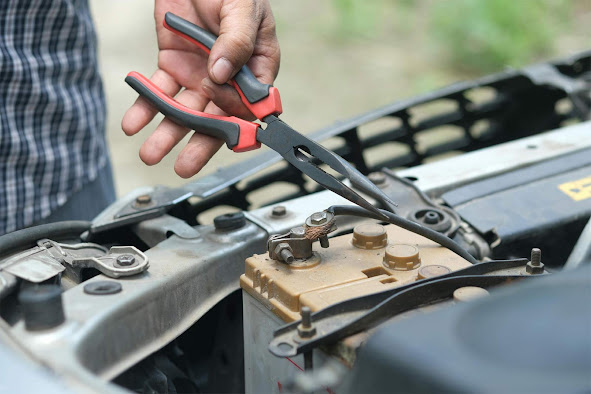
The evolution of car starting batteries is a fascinating journey through time, reflecting the advancements in automotive technology and materials science.  From the early days of lead-acid batteries to the latest developments in lithium-ion and beyond, the types of car starting batteries have evolved to meet the increasing demands of modern vehicles.  Lead-Acid Batteries Lead-acid batteries have been the backbone of automotive starting systems since the late 19th century. Invented by Gaston Planté in 1859, these batteries are known for their reliability and cost-effectiveness.  They operate on a simple principle: a chemical reaction between lead dioxide (PbO2), sponge lead (Pb), and sulfuric acid (H2SO4) solution produces electricity.  Despite their weight and environmental concerns due to lead content, they remain popular due to their ability to deliver high surge currents required for starting engines. Lead-acid batteries on average last 3-5 years, but if there are...

Essential Devices and Appliances to Power During the Blackouts

Image
Blackouts can be more than just an inconvenience; they can disrupt your daily life, spoil food, and cut off communication. Being prepared means knowing which devices and appliances are crucial to power during these times.    Here's a comprehensive guide to the essentials: Refrigerator and Freezer: These are vital for keeping perishable foods safe. A powered fridge and freezer can prevent food spoilage, saving you from foodborne illnesses and avoiding the waste of expensive groceries. WiFi Router: Staying connected is crucial, especially during extended blackouts. A powered WiFi router ensures access to emergency services, news updates, and allows you to stay in touch with loved ones. Smartphone Chargers: Communication is key during a blackout. Keeping smartphones charged ensures you can call for help, receive alerts, and use mobile apps for information and entertainment. Lights: Adequate lighting is essential for safety and comfort. It helps prevent accidents in the dark and ...

What are Tri-Fuel Power Generators?

Image
In the world of backup power solutions, tri-fuel power generators stand out for their versatility and convenience. These innovative machines have the capability to operate on three different types of fuel: gasoline, propane, and natural gas. This flexibility allows users to choose the most available or cost-effective fuel source at any given time, providing a significant advantage during extended power outages or in areas where fuel availability can fluctuate. How Do Tri-Fuel Generators Work? Tri-fuel generators are equipped with a fuel selector switch or a mechanism that allows the user to switch between gasoline, propane, and natural gas without needing to make mechanical alterations to the generator itself.  This is achieved through the use of specially designed carburetors or fuel injection systems that can adjust to the different properties of each fuel type. When switching fuels, the generator may require a simple adjustment, such as changing the position of a fuel valve or c...

Are African Violets Poisonous to Cats and Other Pets?

Image
 When it comes to ensuring the safety and well-being of our pets, particularly cats and other household animals, it's crucial to be aware of the potential risks posed by various indoor plants and flowers.    One common concern among pet owners is the toxicity of African violets (Saintpaulia spp.) to cats and other pets. The good news is that African violets are considered non-toxic to cats, dogs, and other household pets. These plants can be safely kept in homes without posing a risk of poisoning if ingested by animals.  However, while African violets are safe, it's important to be cautious with other indoor plants and flowers, as many can be harmful to pets. Safe Indoor Flowers/Plants: Spider Plant (Chlorophytum comosum): Known for its air-purifying qualities, the spider plant is safe for pets and easy to care for. Boston Fern (Nephrolepis exaltata): This lush fern adds greenery to your home without endangering your pets. Bamboo Palm (Chamaedorea seifrizii): A great...

Top 10 Mosquito Repellent Plants For Home Garden

Image
 Mosquitoes are more than just a nuisance; they're carriers of various diseases, making their control a priority in many households.  While commercial repellents and mosquito control solutions are widely available, integrating mosquito repellent plants into your home garden offers a natural and aesthetically pleasing way to reduce your mosquito troubles.  These plants contain natural oils and compounds that mosquitoes find offensive, thus serving as a gentle yet effective deterrent. Here's a list of the top 10 mosquito repellent plants you can grow in your home garden to keep those pesky insects at bay. 1. Citronella Grass (Cymbopogon nardus) Perhaps the most well-known mosquito repellent plant, citronella grass is the primary source of the citronella oil found in many mosquito repellent products. Its strong scent masks other attractants to mosquitoes, making it an effective deterrent. This plant thrives in full sun and well-drained soil. 2. Lavender (Lavandula) Lavender ...