Posts

Top 5 Berries to Grow in Backyard Garden

Image
Growing berries in your backyard garden is not only a rewarding hobby but also a way to enjoy fresh, organic produce right at your doorstep. Berries are packed with vitamins, antioxidants, and flavor, making them a perfect addition to any garden.    Here’s a comprehensive guide to the top 5 berries to grow in your backyard, along with tips on how to cultivate each one successfully. 1. Strawberries Strawberries are a favorite among gardeners due to their fast growth and sweet, juicy fruits. They thrive in well-drained, loamy soil with plenty of organic matter. Strawberries prefer a sunny spot but can tolerate partial shade. Plant them in early spring, spacing the plants about 18 inches apart. Use mulch to keep the soil moist, deter weeds, and protect the fruits from direct soil contact, which can lead to rot. Strawberries are perennial and will produce fruit for several years, with some varieties offering multiple harvests in a season. Regular watering and fertilization with a...


How to Save Energy at Home

Image
In an era where environmental conservation and reducing energy costs are paramount, it is essential for households to adopt energy-saving measures.  Photo by Pexels Understand Your Energy Consumption The first step in saving energy at home is understanding your current energy usage. Review your energy bills over the past year to identify patterns and peak usage periods. Consider conducting a home energy audit, either by hiring a professional or using online tools, to pinpoint areas of inefficiency. Upgrade to Energy-Efficient Appliances Investing in energy-efficient appliances can lead to substantial savings over time. Look for products with the Energy Star label, which signifies compliance with energy efficiency standards set by the U.S. Environmental Protection Agency (EPA). While the upfront cost may be higher, the long-term savings on energy bills will outweigh the initial investment. Implement Smart Thermostat Settings Heating and cooling account for a significant portion of h...

Guide To Renewable Energy Sources

Image
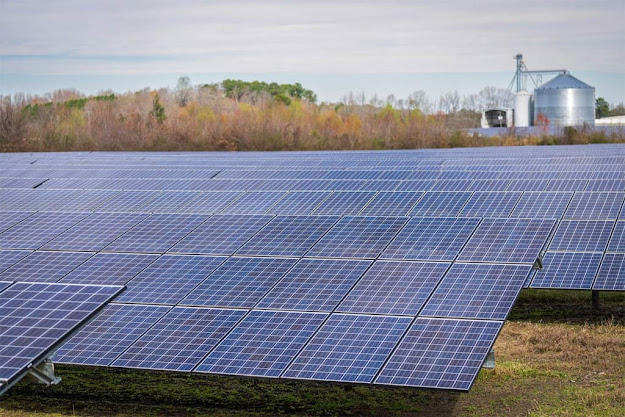
In the contemporary era, the transition towards renewable energy sources has become paramount due to escalating environmental concerns, the imperative need to mitigate climate change, and the global aspiration to achieve sustainable development.   Photo by Pexels Renewable energy sources, distinguished by their ability to replenish naturally on a human timescale, offer a cleaner, more sustainable alternative to fossil fuels. Solar Energy Mechanism: Solar energy harnesses the sun's power through photovoltaic (PV) cells or solar thermal systems. PV cells convert sunlight directly into electricity, whereas solar thermal systems use sunlight to heat water or other fluids, which can then be used to produce steam and generate electricity. Benefits: It is abundant, sustainable, and emits no greenhouse gases during electricity generation. Solar installations can range from small-scale rooftop panels to large solar farms, making it versatile for various applications. Challenges: Solar ...

How to Grow Hyacinths in Pots and Containers

Image
Hyacinths, with their vibrant blooms and intoxicating fragrance, are a welcome sign of spring. Belonging to the genus Hyacinthus, these perennials are cherished for their dense, star-shaped flowers, which come in a wide range of colors including pink, blue, white, and purple.  Photo by Pexels Growing hyacinths in pots and containers is an excellent way to enjoy their beauty up close, whether you're limited by space or just looking to add a burst of color to your patio or windowsill.  Understanding Hyacinths Hyacinths prefer cool spring temperatures and are hardy in USDA zones 4 through 8. They require a period of cold dormancy to bloom, which is easy to achieve in ground plantings in these zones.  When grown in pots, however, this dormancy can be manually replicated, making it possible to enjoy hyacinths even in warmer climates. Choosing the Right Pot and Soil Select a pot that is at least 6 inches deep and has adequate drainage holes to prevent waterlogging, which can r...

The importance of car battery size groups

Image
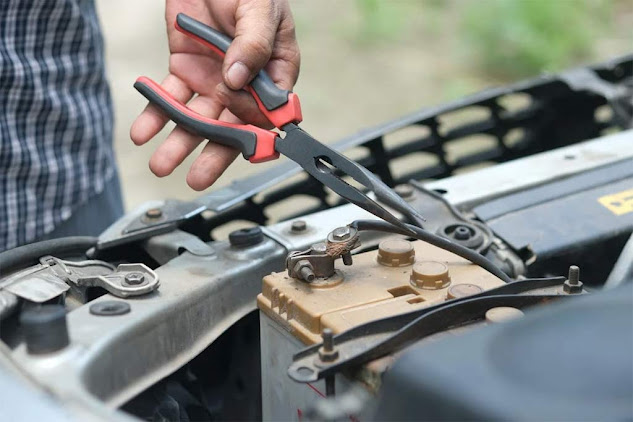
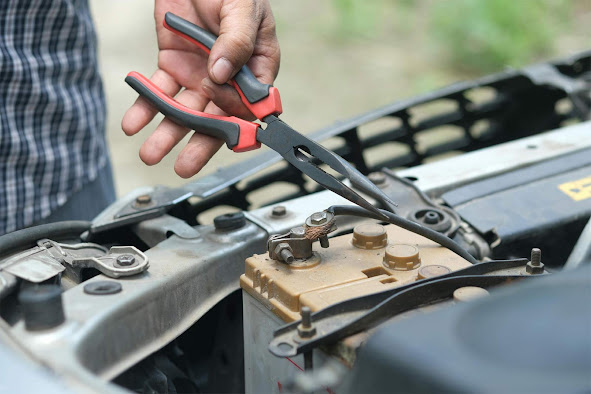
The importance of car battery size groups cannot be overstated when it comes to ensuring the optimal performance and reliability of your vehicle.  These battery size groups , designated by standards developed by the Battery Council International (BCI), categorize batteries not just by their physical dimensions, but also by their terminal placements, and sometimes, their power specifications.  Photo by Pexels Understanding the correct battery size group for your vehicle is critical for several reasons: Fitment and Compatibility: The designated battery size ensures that the battery fits correctly in the battery tray, securing it in place to avoid vibrations that can damage the battery and the vehicle. Incorrectly sized batteries may not fit properly, leading to potential damage or operational issues. Electrical Requirements: Vehicles are designed with specific electrical demands. The battery size group often correlates with the battery's capacity to deliver the necessary power ...

Most common SI Units and Their US equivalents

Image
The International System of Units (SI) is the modern form of the metric system and is the most widely used system of measurement around the world. It provides a coherent set of units for scientific, industrial, and everyday measurements. However, the United States still predominantly uses the US customary units, a system derived from the British imperial system.  Photo by Pexels Understanding the most common SI units and their US equivalents is crucial for scientists, engineers, and professionals working in a global context, as well as for anyone involved in activities where measurements need to be converted between these two systems.   Length Meter (m): The fundamental unit of length in the SI system. One meter is equivalent to 3.28084 feet or 39.3701 inches in the US customary system. Centimeter (cm): A common unit for smaller lengths in the SI system. One centimeter equals 0.393701 inches in the US system. Mass Kilogram (kg): The base unit of mass in the SI system. One kilo...

Fishing Reel Types for Both Beginners and Advanced Fishermen

Image
Fishing reels are an essential component of any angler's gear, offering a variety of mechanisms suited for different fishing conditions, techniques, and skill levels.  Photo: Pexels Understanding the differences between reel types can significantly enhance your fishing experience, whether you're a novice casting your first line or an experienced fisherman seeking to refine your technique.   1. Spinning Reels Spinning reels, characterized by their fixed, open spool and a bail that guides the line onto the spool during retrieval, are among the most popular reels for both beginners and seasoned anglers. They hang beneath the rod and are operated with the angler's dominant hand, while the non-dominant hand holds the rod. Pros: Easy to use, versatile, and suitable for a wide range of fishing techniques and fish species. They are excellent for casting light to medium lures and baits. Cons: Not as effective for casting very heavy lures or baits, and can sometimes produce line twis...

Exploring the Diversity of Renewable Energy Sources

Image
In the quest for sustainable and eco-friendly power solutions, renewable energy sources have emerged as pivotal players.    Photo: Pexels These energy forms are derived from natural processes that are continuously replenished, offering a greener alternative to fossil fuels.  Solar Energy History: The utilization of solar energy dates back to ancient civilizations, which used the sun's rays for heating and drying goods. However, it wasn't until the 19th century that scientists began converting sunlight into electrical energy, marking the dawn of solar power technology. Pros: Solar energy is abundant, capable of generating electricity, heating, and lighting. Modern solar panels have become increasingly efficient and less expensive, making solar energy more accessible worldwide. Cons: Solar energy production is directly dependent on sunlight, making it less reliable in cloudy or rainy regions. Additionally, solar panels require significant space for installation and have env...

The Most Common Calculator Batteries

Image
Calculators are indispensable tools in education, finance, engineering, and many other fields, requiring reliable power sources to function effectively.  The choice of battery for a calculator depends on its design, functionality, and power requirements. LR44 Battery The LR44 battery is a small, alkaline button cell widely recognized for its utility in powering a variety of compact electronic devices, including some models of calculators.  Operating at 1.5 volts, LR44 batteries are prized for their high energy density, long shelf life, and stable output voltage, making them ideal for calculators that require consistent power for memory functions and digital displays.  Their compact size allows them to fit into slim and small calculators, making them a popular choice for basic and some scientific calculators. LR44 battery equivalent models feature physical dimensions of 11.6 x 4.2 mm and include batteries labeled as: Silver Oxide (1.55V): SR44W, SR44, SR44SW, 157, 357, 30...

Types of Car Starting Batteries

Image
The evolution of car starting batteries is a fascinating journey through time, reflecting the advancements in automotive technology and materials science.  From the early days of lead-acid batteries to the latest developments in lithium-ion and beyond, the types of car starting batteries have evolved to meet the increasing demands of modern vehicles.  Lead-Acid Batteries Lead-acid batteries have been the backbone of automotive starting systems since the late 19th century. Invented by Gaston Planté in 1859, these batteries are known for their reliability and cost-effectiveness.  They operate on a simple principle: a chemical reaction between lead dioxide (PbO2), sponge lead (Pb), and sulfuric acid (H2SO4) solution produces electricity.  Despite their weight and environmental concerns due to lead content, they remain popular due to their ability to deliver high surge currents required for starting engines. Lead-acid batteries on average last 3-5 years, but if there are...

Essential Devices and Appliances to Power During the Blackouts

Image
Blackouts can be more than just an inconvenience; they can disrupt your daily life, spoil food, and cut off communication. Being prepared means knowing which devices and appliances are crucial to power during these times.    Here's a comprehensive guide to the essentials: Refrigerator and Freezer: These are vital for keeping perishable foods safe. A powered fridge and freezer can prevent food spoilage, saving you from foodborne illnesses and avoiding the waste of expensive groceries. WiFi Router: Staying connected is crucial, especially during extended blackouts. A powered WiFi router ensures access to emergency services, news updates, and allows you to stay in touch with loved ones. Smartphone Chargers: Communication is key during a blackout. Keeping smartphones charged ensures you can call for help, receive alerts, and use mobile apps for information and entertainment. Lights: Adequate lighting is essential for safety and comfort. It helps prevent accidents in the dark and ...

What are Tri-Fuel Power Generators?

Image
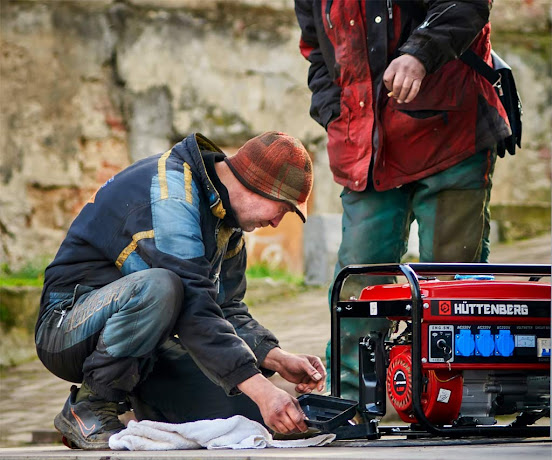
In the world of backup power solutions, tri-fuel power generators stand out for their versatility and convenience. These innovative machines have the capability to operate on three different types of fuel: gasoline, propane, and natural gas. This flexibility allows users to choose the most available or cost-effective fuel source at any given time, providing a significant advantage during extended power outages or in areas where fuel availability can fluctuate. How Do Tri-Fuel Generators Work? Tri-fuel generators are equipped with a fuel selector switch or a mechanism that allows the user to switch between gasoline, propane, and natural gas without needing to make mechanical alterations to the generator itself.  This is achieved through the use of specially designed carburetors or fuel injection systems that can adjust to the different properties of each fuel type. When switching fuels, the generator may require a simple adjustment, such as changing the position of a fuel valve or c...

Are African Violets Poisonous to Cats and Other Pets?

Image
 When it comes to ensuring the safety and well-being of our pets, particularly cats and other household animals, it's crucial to be aware of the potential risks posed by various indoor plants and flowers.    One common concern among pet owners is the toxicity of African violets (Saintpaulia spp.) to cats and other pets. The good news is that African violets are considered non-toxic to cats, dogs, and other household pets. These plants can be safely kept in homes without posing a risk of poisoning if ingested by animals.  However, while African violets are safe, it's important to be cautious with other indoor plants and flowers, as many can be harmful to pets. Safe Indoor Flowers/Plants: Spider Plant (Chlorophytum comosum): Known for its air-purifying qualities, the spider plant is safe for pets and easy to care for. Boston Fern (Nephrolepis exaltata): This lush fern adds greenery to your home without endangering your pets. Bamboo Palm (Chamaedorea seifrizii): A great...

Top 10 Mosquito Repellent Plants For Home Garden

Image
 Mosquitoes are more than just a nuisance; they're carriers of various diseases, making their control a priority in many households.  While commercial repellents and mosquito control solutions are widely available, integrating mosquito repellent plants into your home garden offers a natural and aesthetically pleasing way to reduce your mosquito troubles.  These plants contain natural oils and compounds that mosquitoes find offensive, thus serving as a gentle yet effective deterrent. Here's a list of the top 10 mosquito repellent plants you can grow in your home garden to keep those pesky insects at bay. 1. Citronella Grass (Cymbopogon nardus) Perhaps the most well-known mosquito repellent plant, citronella grass is the primary source of the citronella oil found in many mosquito repellent products. Its strong scent masks other attractants to mosquitoes, making it an effective deterrent. This plant thrives in full sun and well-drained soil. 2. Lavender (Lavandula) Lavender ...

Best Garden Cordless Tools: Revolutionizing Gardening with Convenience and Power

Image
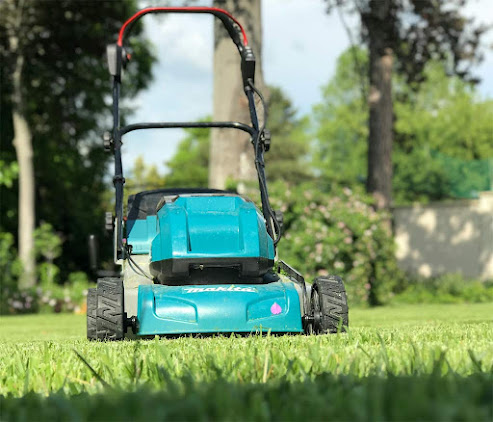
The advent of cordless technology has been a game-changer in many fields, and gardening is no exception. Gone are the days of being tethered to an electrical outlet or struggling with cumbersome petrol-powered equipment.  Today's garden cordless tools offer the perfect blend of convenience, power, and mobility, allowing gardeners to work more efficiently and comfortably.  Whether you're maintaining a small backyard or managing a larger landscape, having the right cordless tools can make all the difference. Let's explore some of the most important cordless garden tools that are essential for modern gardening tasks. 1. Cordless Lawn Mowers Cordless lawn mowers are at the forefront of garden maintenance, combining eco-friendly operation with the freedom to move without restrictions.  These mowers are powered by rechargeable batteries, offering a quieter and cleaner alternative to traditional gas mowers. With features like adjustable cutting heights, wide cutting paths, and e...

How to Pick Fishing Ocean Going Kayak

Image
Selecting an ocean-going kayak for fishing is a pivotal decision that marries the thrill of kayak fishing with the vastness and unpredictability of the ocean.  This guide aims to equip you with the knowledge to choose a kayak that not only enhances your fishing experience but also ensures your safety and comfort in open water conditions.  Let’s navigate through the essential considerations and features to look for when picking your ocean-going fishing kayak. Understand Your Needs Before diving into the specifics, it’s important to assess your fishing goals, physical capabilities, and the type of ocean conditions you plan to face. Are you targeting nearshore waters, or do you plan to venture out into deeper, more turbulent seas? Will you be fishing in mostly calm water, or do you expect to encounter waves and wind?  Your answers will significantly influence your choice of kayak.  Key Considerations for an Ocean-Going Fishing Kayak Stability and Performance Primary and...

The Ultimate Guide to Choosing Your First Family Drone

Image
Drones have transformed from niche gadgets to mainstream technology, captivating enthusiasts of all ages. For families, drones offer a unique opportunity to bond over technology, explore photography from new angles, and even introduce children to the basics of aerodynamics and robotics.  However, choosing the right drone can be daunting due to the myriad of options available.  Understand Your Purpose Before diving into the specifics, it's crucial to identify why you want a drone. Are you looking to capture stunning aerial photos during family outings? Or is it more about the thrill of flying and engaging in outdoor activities together? Your purpose will significantly influence the type of drone that best suits your family. Key Features to Consider 1. Ease of Use Beginner-Friendly Controls: Look for drones with intuitive controls, auto-hovering, and one-touch takeoff and landing features. These are particularly helpful for younger pilots and beginners. Flight Stability: Drones ...